Driving Nevada: Interstate 15
Stephen Castle covers I-15 from the Utah border to Las Vegas — the gateway corridor that delivers travelers to the heart of the Silver State.
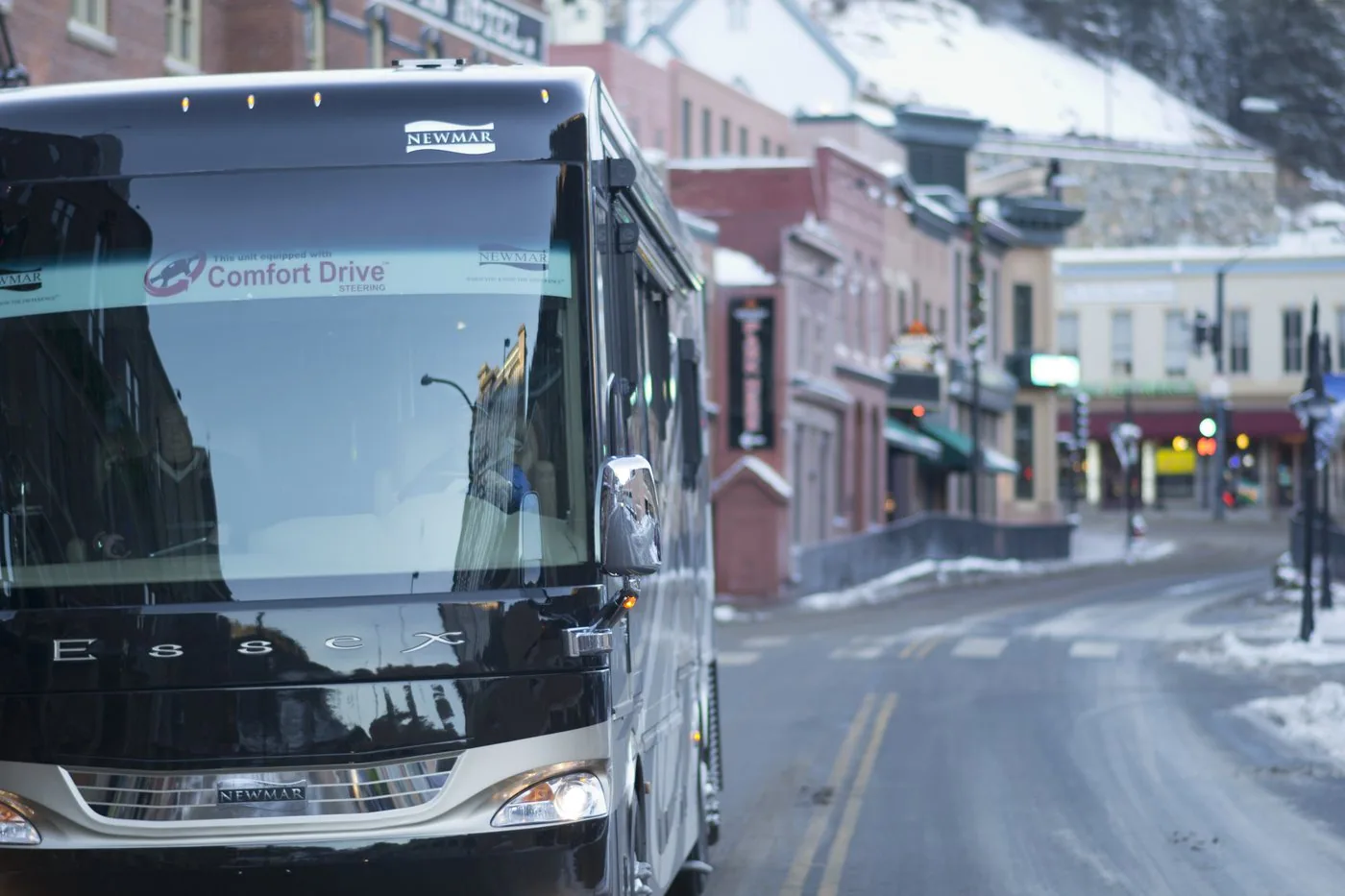
Nevada is a state made for driving. Its highways cut through some of the most dramatic and varied landscapes in North America — from the Mojave Desert in the south to the Great Basin in the north, from the Sierra Nevada foothills in the west to the canyon country along the Utah border. Over the coming months, I plan to cover each of Nevada's major driving routes in detail. We start where most visitors start: Interstate 15.
The Route
Interstate 15 enters Nevada from Utah at the small community of Mesquite, runs southwest through the Virgin River Gorge (technically in Arizona for a short stretch), and arrives in Las Vegas after approximately 80 miles. It is the primary corridor connecting Las Vegas to Salt Lake City and the broader Intermountain West.
The Utah Border to Mesquite
The Nevada entry point at Mesquite is worth a stop in its own right. The town sits in a pocket of the Mojave Desert surrounded by red rock formations, and the Virgin River winds through the valley floor. Mesquite has grown significantly in recent years and now offers several good RV parks with full hookups — a useful overnight stop if you are arriving late from Utah.
The Virgin River Gorge section just south of Mesquite (in Arizona) is one of the most dramatic stretches of interstate highway in the country. The road threads through sheer limestone cliffs with almost no shoulder — take it slowly in a large coach and be aware of wind conditions, which can be significant in the gorge.
Approaching Las Vegas
As I-15 descends from the high desert toward the Las Vegas Valley, the transition is striking. The Spring Mountains rise to the west, topped by Charleston Peak at nearly 12,000 feet. The valley floor spreads out ahead, and on a clear night the glow of the Strip is visible from 30 miles out.
For RV travelers, the approach to Las Vegas requires some planning. I-15 through the city carries heavy traffic at all hours, and the interchange at I-215 (the beltway) is the recommended exit point for most RV parks, which are concentrated in the Henderson, Boulder Highway, and North Las Vegas corridors rather than on the Strip itself.
RV Considerations
- Fuel: Mesquite and the North Las Vegas exits offer the best fuel options for large coaches. Avoid fueling on the Strip — the stations are not coach-friendly.
- Wind: The corridor between Mesquite and Las Vegas can experience strong crosswinds, particularly in spring. Check forecasts before departure.
- Traffic: Friday afternoon and Sunday evening are the heaviest traffic periods as Las Vegas weekend visitors arrive and depart. Mid-week travel is significantly smoother.
- Altitude: The route descends from around 2,400 feet at Mesquite to 2,000 feet in Las Vegas — no significant altitude concerns for coaches or passengers.
Worth the Stop
Valley of Fire State Park is a 50-mile detour from I-15 that every Nevada traveler should make at least once. The park's ancient red sandstone formations are among the most photogenic landscapes in the American Southwest, and the campground (with hookups) puts you in the middle of it all. Exit I-15 at SR-169 near Logandale.
Next in the Series
Coming up: US-93, the Great Basin Highway — Nevada's longest north-south route, running from the Arizona border near Hoover Dam all the way to the Idaho line. It is one of the great American road trip corridors, and almost nobody outside the state knows it exists.
#nevada #road-trip #interstate-15 #las-vegas #driving-nevada